
Exploring the Ramayana Yatra Tour: A Pathway to Ancient Wisdom and Culture
- VIGNESH tourtimes
- Dec 22, 2025
- 3 min read

The Ramayana Yatra Tour is not just a journey—it’s a quiet return to the roots of India’s oldest storytelling tradition. For many, it begins as a simple pilgrimage. But as the days unfold, the tour becomes a living experience where myth and reality blend beautifully.
What makes this Yatra special is how slowly, almost gently, the route opens up. From the first train whistle to the final temple darshan, the entire journey feels like walking through the Ramayana chapter by chapter.
Southern Beginning of the Ramayana Yatra Tour
The Yatra starts with a serene night departure, passing through Tirunelveli, Nagercoil, and the calm early morning arrival at Thiruvananthapuram. As the train moves through Kollam, Kottayam, Ernakulam, Thrissur, Ottappalam, and Palakkad, travelers settle into the rhythm of the pilgrimage.
The atmosphere inside the train shifts—less chatter, more reflection. This early stretch is long, but it becomes a quiet mental preparation before entering the sacred Ramayana trail.
Soon after, the journey continues northwards as the train glides through Gudur, Vijayawada, and Warangal. These miles are filled with anticipation, as every traveler knows the heart of the Ramayana Yatra is waiting ahead.
Chitrakoot — Where the Forest Still Echoes the Epic
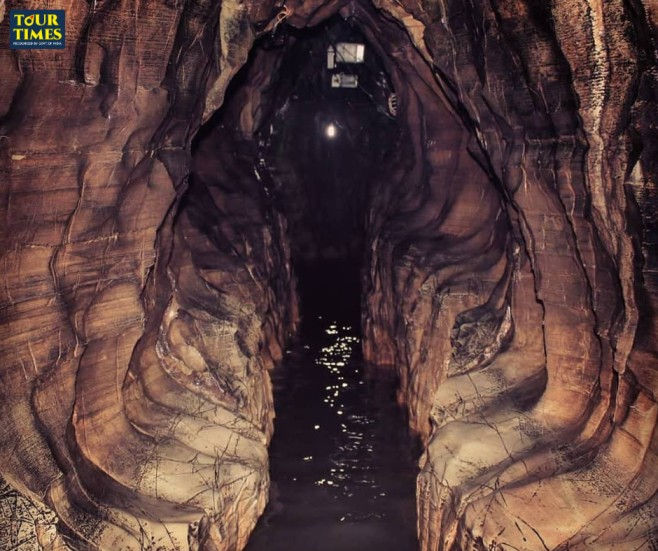
After days of travel, the Yatra reaches Manikpur, from where buses take pilgrims into the serene landscapes of Chitrakoot. This region feels untouched, almost sacred in its silence.
Here, visitors explore:
Gupt Godavari Caves, where legends say Rama and Lakshmana once stayed
Ram Ghat, glowing beautifully during evening aarti
Kamadgiri, a hill believed to be the heart of Chitrakoot
Hanuman Dhara, where cool spring water flows endlessly
The entire experience feels like stepping inside ancient pages. Many travelers say Chitrakoot brings the first emotional connection of the Ramayana Yatra Tour.
The Sacred Move Toward Prayag and Varanasi
Leaving Chitrakoot, the Yatra reaches Prayag, where the Triveni Sangam welcomes pilgrims with its timeless spiritual energy. A short train journey later, the group reaches Varanasi, one of India’s oldest cities and a significant part of the Ramayana’s devotional landscape.
Here, pilgrims:
Take a holy bath in the Ganges
Perform rituals on the ghats
Visit Kasi Viswanath Temple, one of Shiva’s most powerful abodes
Explore Ramayana-linked places such as Tulsi Manas Mandir, where Tulsidas wrote the Ramcharitmanas
Pray at Visalakshi, Annapoorani, and Sankat Mochan Temple
Varanasi is not just a stop—it’s a pause. A deep breath. A moment where devotion becomes personal.
Ayodhya — The Spiritual Heart of the Ramayana

From Varanasi, the journey moves towards the soul of the epic—Ayodhya. Here, pilgrims experience the emotional highlight of the entire Yatra: the darshan of Lord Rama in his birthplace.
The city feels different. Vibrant. Pure. Comforting.
Travelers also visit Nandigram, the sacred land where Bharata ruled Ayodhya during Rama’s exile. Standing here creates a deep sense of respect for the values of loyalty, sacrifice, and love.
Shringverpur & Sita Samahit Sthal — Quiet Chapters with Deep Meaning

The Yatra then returns to Prayag and travels to Shringverpur, where Rama, Sita, and Lakshmana once crossed the river Ganga. It’s a simple village, but the spiritual energy is strong enough to make visitors pause and reflect.
From there, the journey continues to Sita Samahit Sthal, believed to be the place where Sita entered the earth after concluding her time among humans. The site is peaceful and emotional—one of the more reflective moments of the tour.
Nashik & Panchavati — Scenes from the Exile Years

As the train approaches Nashik Road, pilgrims enter another important part of the epic—Panchavati. This is where Rama, Sita, and Lakshmana spent a major part of their exile.
Here, travelers explore:
Panchavati
Sita Gufa
Tapovan
Kapaleshwar Temple
And if time allows, the divine Trimbakeshwar Temple
This region beautifully connects nature, history, and devotion.
The Gentle Journey Back Home
After the final Ramayana chapters, the Yatra begins its return journey through Mangaluru, Kasaragod, Kozhikode, Shoranur, Thrissur, Ernakulam, Kottayam, Kollam, and finally Thiruvananthapuram.
By the time travelers step off the train, the landscapes seem familiar… but something inside feels renewed.
That is the quiet magic of the Ramayana Yatra Tour.
Why This Yatra Feels So Unique
It doesn’t rush through destinations—it lets you feel them
The route mirrors the epic’s emotional flow
Every stop has a story behind it
Long train journeys become moments of reflection
With the best tour operators in Chennai, the arrangements stay smooth and comforting.
Conclusion
The Ramayana Yatra is more than a travel plan. It is a spiritual conversation—a gentle unfolding of India’s ancient wisdom through temples, ghats, rivers, caves, and sacred towns.
Every traveller returns with a different emotion… but all return with a deeper connection to the epic that shaped India’s cultural soul.


Comments