
What is the History of Chardham Yatra?
- Mar 4
- 3 min read
The Chardham Yatra is not just a pilgrimage written in scriptures. It is something that moves. It breathes through the mountains. It calls people, softly… but clearly.
When we speak about chardham yatra history, we are not talking about one fixed date or a single event. It is layered. Ancient. A little mysterious too.
Where the Story Really Begins

Long before proper temple structures stood in the Himalayas, sages were already there. Meditating. Praying. Living in silence among snow peaks and flowing rivers. Ancient texts like the Skanda Purana describe the spiritual importance of this region. The mountains were not just geography — they were sacred space.
Then, in the 8th century, Adi Shankaracharya travelled across India to revive Sanatana Dharma. During his journey through the north, he recognized the immense spiritual energy of four shrines in Uttarakhand. He organized them into a defined pilgrimage route. Structured it. Gave it direction.
That moment shaped Chardham Yatra history in a powerful way.
But honestly, the devotion was already there. He simply connected the dots.
The Chardham Yatra Shrines That Hold the Faith
The Chardham Yatra includes four sacred temples, traditionally visited in a specific sequence. Each one feels different. Each one tells its own story.
First is Yamunotri Temple, dedicated to Goddess Yamuna. The path is steep. The air is sharp. Pilgrims walk slowly, chanting softly.
Then comes Gangotri Temple, where River Ganga begins her earthly journey. Devotees step into the icy water without hesitation. It is cold, yes. But faith is warmer.
Next stands Kedarnath Temple, devoted to Lord Shiva. Surrounded by towering snow-covered peaks, the temple feels both fragile and eternal at the same time.
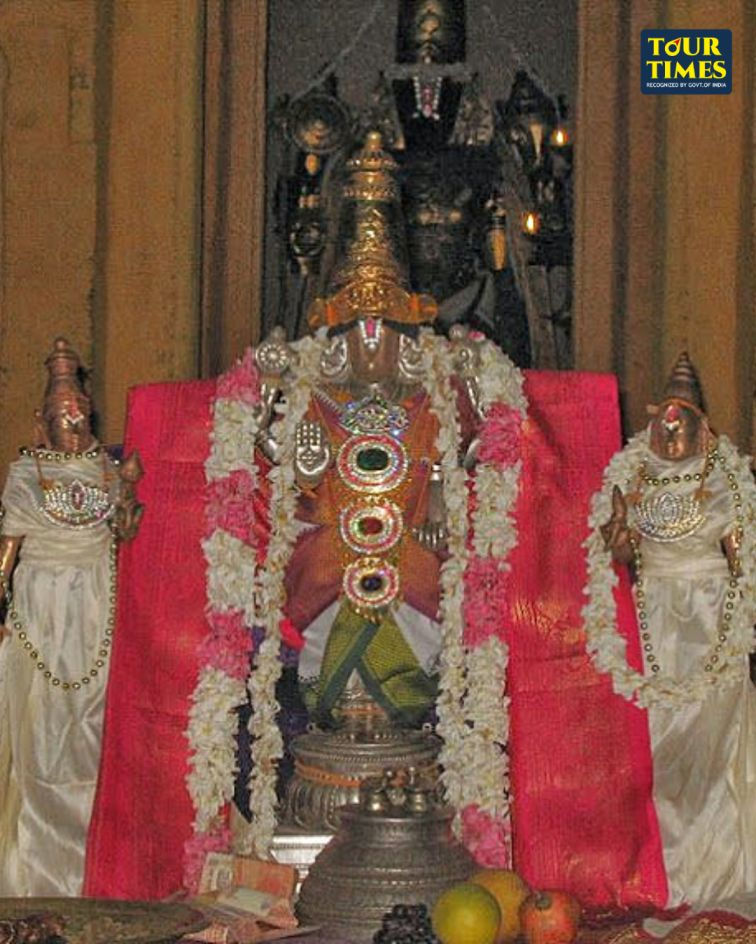
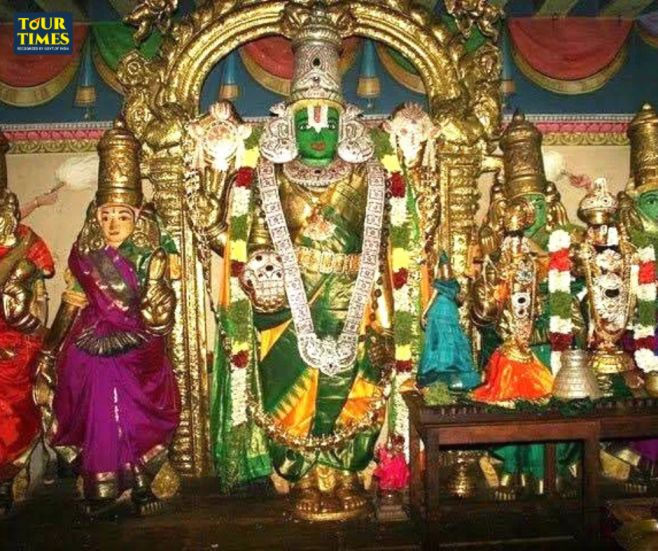
And finally, Badrinath Temple, the abode of Lord Vishnu. Bright colors against the mountain backdrop. Calm yet powerful.
Together, these chardham yatra temples represent purification, devotion, and ultimately liberation. River and stone. Beginning and end.
When the Journey Was Pure Struggle
Today, people talk about comfortable Chardham yatra tour options. Hotels. Vehicles. Timetables. Even a well-planned Chardham yatra tour can make the long Himalayan routes feel manageable.
But earlier… none of this existed.
Pilgrims walked for weeks, sometimes months. No proper roads. No clear weather predictions. Some journeys ended halfway because nature decided so. It was harsh. Unpredictable. And yet, thousands continued to start every year.
Because they believed that completing the Chardham Yatra removed lifetimes of karma. The struggle was part of the offering. Pain meant purification. It sounds intense, but that was devotion in its raw form.
That is an important chapter in chardham yatra history — human faith against the force of nature.
The Modern Chapter — Same Faith, Different Facilities
Over the years, infrastructure improved. Roads were built. Helicopter services introduced. Safety measures increased. Now, many families choose organized chardham yatra tour packages for smoother planning and safer travel.
Elderly devotees who once could not imagine climbing steep paths can now complete the pilgrimage. Many rely on experienced planners, including some of the best tour operators in south india, to handle transport, accommodation, and darshan schedules.
It is more organized now. More systematic. But when you finally stand before the temple doors, none of that matters much. The prayer feels the same as it must have felt centuries ago.
A History That Is Still Being Written
The beautiful thing about Chardham Yatra history is that it is not finished. Every year when the temple doors reopen after winter, new footsteps begin the climb. New prayers rise into the cold Himalayan air.
The mountains remain silent witnesses. The rivers continue flowing without pause.
And somewhere between exhaustion and devotion, between doubt and faith, people find something they did not even know they were searching for.
Maybe that is why the Chardham Yatra continues. Not just as tradition. But as experience. Living, moving, slightly imperfect — just like us.

Comments