
What Is the History of Thiru Anbil Perumal Temple?
- 7 hours ago
- 6 min read
There are temples you visit, offer prayers, and leave. Then there are temples that somehow stay with you long after the journey ends. Thiru Anbil Perumal Temple belongs to the second kind.
Tucked away near Tiruchirappalli, this ancient Divya Desam temple does not announce itself with overwhelming crowds or grand city noise. Instead, it welcomes devotees with silence, old stone walls, and stories that have travelled through centuries. When people speak about Thiru Anbil history, they are not only speaking about kings and architecture. They speak about devotion, divine grace, and legends that still feel alive.
The temple, dedicated to Lord Vishnu, is known as Sri Vadivazhagiya Nambi Perumal Temple or Sundararaja Perumal Temple. And honestly, the moment you hear the name Vadivazhagiya Nambi — meaning "the beautifully formed Lord" — you already sense something gentle about this sacred place.
A Thiru Anbil Perumal Temple Born in the Chola Age

Like many ancient shrines of Tamil Nadu, Thiru Anbil Perumal Temple carries the strong imprint of the Chola dynasty. Historians believe the temple traces its origins to the early medieval Chola period, with later additions and renovations made by rulers who followed.
Back then temples were not simply religious centres. They were alive with music, discussions, festivals, and village life. A temple was almost like the heartbeat of a region. So when the Chola kings supported sacred sites, they were preserving culture too.
Walking through Thiru Anbil today, it is easy to imagine those earlier centuries. Maybe priests chanting in the corridors. Maybe pilgrims arriving after days of travel. The same stones remain. Time changed, but not entirely.
Several inscriptions discovered within the temple complex speak about donations and royal patronage. Those inscriptions matter because they quietly confirm what tradition has always remembered — this shrine was valued and protected for generations.
And that history still lingers there. You can feel it.
Why Is This Place Called Anbil?
The name itself carries warmth.
In Tamil, Anbu means love. Many devotees believe Anbil reflects divine affection and the bond between Lord Vishnu and those who surrender to him. There is something beautiful about that thought. A temple named after love.
Unlike some temples associated with fear or strict penance, Thiru Anbil Perumal Temple feels softer in spirit. Peaceful. Almost comforting.
Perhaps that is why pilgrims often describe the experience here differently. Not dramatic. Just deeply calming.
The Story of Brahma and the Lord

No ancient Divya Desam temple is complete without sacred legends, and Thiru Anbil history holds a particularly meaningful one involving Lord Brahma.
According to temple tradition, Brahma once worshipped Lord Vishnu at this sacred site. Though Brahma is the creator in Hindu belief, even he sought divine guidance and blessings. The story reminds devotees of something simple but powerful — before the Supreme, everyone stands equal.
Pleased by Brahma's devotion, Lord Vishnu appeared in his graceful form as Sundararaja Perumal and blessed him.
Stories like this survive because people keep carrying them forward. Grandparents tell them to children. Priests share them with pilgrims. And somewhere between faith and memory, the legends continue living.
Manduka Maharishi and the Curse That Became a Blessing
Among all the stories connected to Thiru Anbil Perumal Temple, the tale of Manduka Maharishi remains one of the most loved.
The story begins with Sage Sutapa, absorbed in deep meditation. His concentration was so intense that when Sage Durvasa arrived, Sutapa failed to greet him.
That was a mistake.
Durvasa, known for his fiery temper, became angry and cursed the sage to become a frog — Manduka. It sounds harsh, maybe even unfair. But many temple legends move this way. A curse first, then transformation.
Burdened by his fate, the sage prayed to Lord Vishnu and performed penance at this very place. Days passed, perhaps years according to tradition. Finally, moved by sincere devotion, the Lord appeared before him and granted liberation from the curse.
And suddenly the curse became grace.
Because of this legend, the temple tank came to be known as Manduka Theertham and the sacred place earned another name — Mandukapuri.
For devotees, this story means something more than mythology. It carries hope. Even difficult phases of life, they say, can become pathways toward divine blessing.
Importance in Vaishnavism
For followers of Sri Vaishnavism, Thiru Anbil Perumal Temple is not merely an old temple standing near Trichy. It is one among the sacred 108 Divya Desam temples praised by the Alwars.
The temple was glorified in the Naalayira Divya Prabandham, particularly by Thirumazhisai Alwar. That connection gives the shrine immense spiritual importance.
Divya Desams are special because they are not selected by architecture or royal history alone. They become sacred through devotion expressed in the Alwar hymns. That spiritual layer changes how devotees experience these temples.
You are not visiting a monument only.
You are entering a space sung about hundreds of years ago.
That feeling… it stays.
Architecture That Speaks Quietly
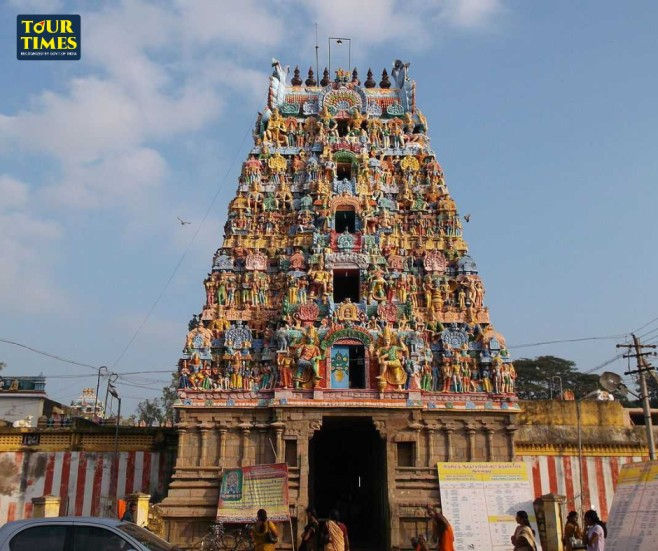
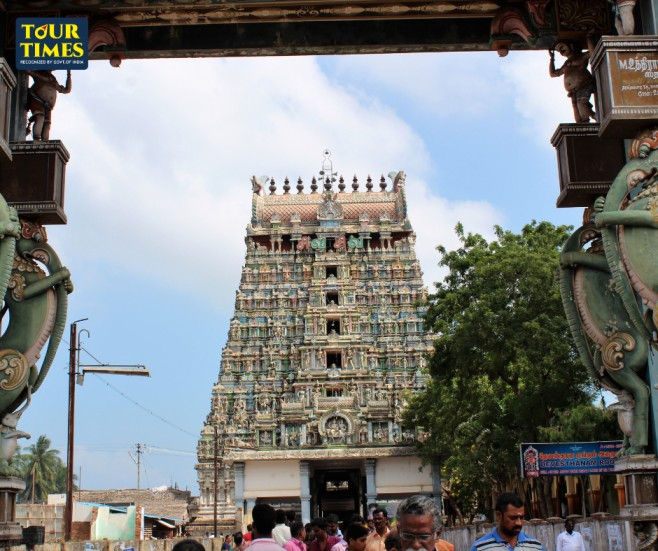
The beauty of Thiru Anbil Perumal Temple does not depend on gigantic towers or excessive ornamentation. Its charm is quieter.
Built in classic Dravidian style, the temple features stone corridors, sacred shrines, and traditional structures shaped through centuries of worship. The east-facing sanctum and the Thaaraka Vimanam stand as reminders of early temple architecture.
Inside, Lord Vadivazhagiya Nambi appears in a reclining posture, radiating calmness.
Many devotees say the deity's appearance is unusually graceful. Maybe that explains the affectionate name. Or maybe beauty itself becomes devotion here.
The granite walls have aged, some carvings softened with time, yet nothing feels diminished. In fact, age adds character.
Old temples do that.
They carry imperfections beautifully.
A Sacred Stop in the Divya Desam Journey
Pilgrimage is rarely about ticking locations from a list. It becomes meaningful through stories, emotions, and moments of connection. Thiru Anbil Perumal Temple offers all three.
Its Chola heritage, Brahma legend, Manduka Maharishi story, and sacred place in Vaishnavism together make this shrine an unforgettable part of Thiru Anbil history.
And perhaps that is why pilgrims return.
Not because the temple is famous in a loud way. But because it feels close. Familiar almost.
Tour Times has successfully completed 100+ Divya Desam tours, with 2000+ travellers experiencing this sacred journey. Tour Times is the top tour operator in South India, offering carefully arranged pilgrimage experiences and trusted travel support.
If you are searching for a meaningful Divya Desam tour package, make space for Thiru Anbil Perumal Temple in your journey. Some temples impress you. This one quietly stays with you.
Frequently Asked Questions (FAQ)
1. Where is Thiru Anbil Perumal Temple located?
Thiru Anbil Perumal Temple is located near Tiruchirappalli (Trichy) in Tamil Nadu, on the banks of the Kollidam River. It is one of the important Divya Desam temples in the Chola Nadu region.
2. Why is Thiru Anbil Perumal Temple famous?
Thiru Anbil Perumal Temple is famous for its connection with Lord Vishnu as Vadivazhagiya Nambi, its sacred legends involving Brahma and Manduka Maharishi, and its place among the 108 Divya Desam temples praised by the Alwars.
3. What is the history of Thiru Anbil Perumal Temple?
The history of Thiru Anbil Perumal Temple dates back to the Chola period. The temple received royal patronage and contains inscriptions that reveal its religious and cultural importance through centuries.
4. Who is the main deity of Thiru Anbil Perumal Temple?
The presiding deity is Lord Vishnu worshipped as Vadivazhagiya Nambi or Sundararaja Perumal. Goddess Lakshmi is worshipped here as Sundaravalli Thayar.
5. What is the story of Manduka Maharishi at Thiru Anbil?
According to legend, Sage Sutapa was cursed by Durvasa Maharishi to become a frog, called Manduka. After performing penance at this sacred temple, Lord Vishnu appeared and freed him from the curse.
6. Is Thiru Anbil Perumal Temple a Divya Desam temple?
Yes, Thiru Anbil Perumal Temple is one among the sacred 108 Divya Desam temples celebrated in the Naalayira Divya Prabandham by the Alwars.
7. Which Alwar sang about Thiru Anbil Perumal Temple?
Thirumazhisai Alwar praised Thiru Anbil Perumal Temple in his devotional hymns, making the temple spiritually important in Sri Vaishnavism.
8. What is special about the architecture of Thiru Anbil Perumal Temple?
The temple reflects traditional Dravidian architecture with granite walls, sacred corridors, and an ancient sanctum. The reclining form of Lord Vadivazhagiya Nambi and the peaceful temple surroundings are especially admired by devotees.
9. What is the meaning of the name Anbil?
The word "Anbu" in Tamil means love. Many devotees believe the name Anbil symbolises divine love and the compassionate nature of Lord Vishnu worshipped at this temple.
10. Can Thiru Anbil Perumal Temple be included in a Divya Desam tour package?
Yes, Thiru Anbil Perumal Temple is commonly included in Chola Nadu and Trichy-region Divya Desam pilgrimage routes. It makes a meaningful stop for devotees exploring the sacred Divya Desam temples of Tamil Nadu.

Comments