
What is the History of Thirukannamangai Temple?
- May 14
- 3 min read
Sometimes history is not found inside books alone. It survives in temple corridors, in oil lamps burning every evening, in old priests repeating the same prayers their ancestors once chanted centuries ago. Thirukannamangai Temple is one of those rare places where the past still feels alive.
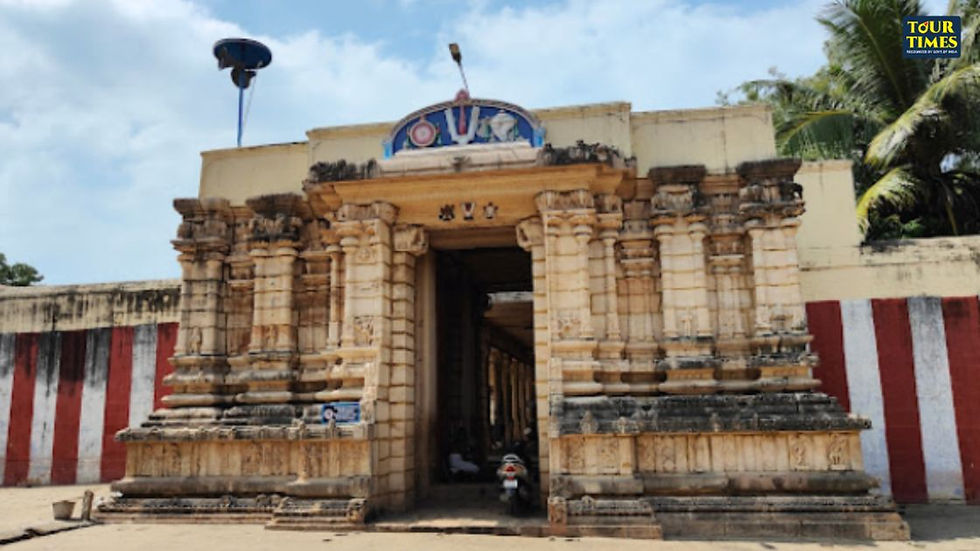
A traveler entering the village for the first time may not immediately realize how important this temple really is. The roads are quiet. Small tea shops nearby. Coconut trees moving slowly with the wind. Then suddenly the ancient rajagopuram appears. Tall. Silent. Almost watching everyone who enters.
This sacred shrine, popularly known as Bhaktavatsala Perumal Temple, is one among the 108 Divya Desam temples dedicated to Lord Vishnu. But unlike heavily crowded pilgrimage centers, this temple gives something different. Space to breathe. Space to feel devotion slowly.
A Temple Built Through Faith, Not Just Stone

The history of Thirukannamangai Temple is believed to date back to the Chola dynasty. Historians often connect the temple with medieval Tamil architecture, though local devotees speak about it with much older emotions than dates or timelines.
People here dont describe the temple academically. They tell stories.
An elderly devotee sitting near the temple tank might say, “Perumal listens here very quickly.” Another person may quietly speak about prayers answered after years of struggle. Somewhere between mythology and personal belief, the temple continues growing in spiritual importance.
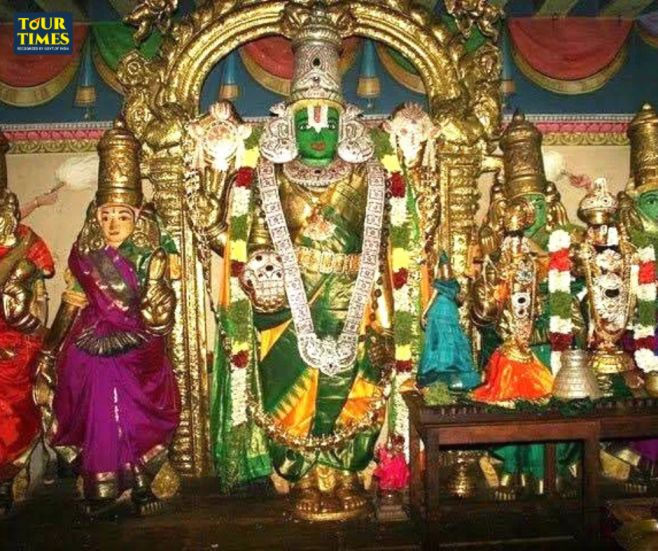
Lord Vishnu appears here as Bhaktavatsala Perumal, meaning the Lord who deeply cares for his devotees. The name itself feels comforting. There is no sense of fear inside the temple. Only surrender.
The Legend That Still Echoes Here

According to temple traditions, Goddess Lakshmi performed penance at this sacred place wishing to marry Lord Vishnu. The story says divine beings gathered during the celestial wedding, blessing the entire region with prosperity and spiritual energy.
Even today, many couples visit Thirukannamangai Temple praying for peaceful married life. Families come seeking harmony. Young devotees pray quietly about future hopes nobody else knows about.
Maybe every old temple survives because people continue adding their own stories to it.
More Than a Divya Desam Temple
For Vaishnavites, every divya desam temple carries deep religious importance. Yet Thirukannamangai Temple feels unusually personal. There are no overwhelming crowds pushing visitors forward. You can actually hear the temple bells properly. You notice small things.
The smell of sandalwood near the sanctum. Ancient carvings slowly fading with time. Birds resting near the temple tank in the evening.
Inside the Bhaktavatsala Perumal Temple, the deity stands with a calm expression that many devotees describe as reassuring. Not dramatic. Peaceful.
Architecture That Refuses to Fade Away
Time has changed many things around the temple, but the architecture still stands proudly. Massive granite pillars support ancient mandapams. Sculptures carved centuries ago continue telling stories from Hindu epics.
Some corners of Thirukannamangai Temple show signs of age clearly. Slight cracks. Weather-worn stones. But strangely, that makes the temple feel even more authentic. Nothing feels artificial here.
Walking through the corridors during afternoon silence almost feels cinematic. Light entering through old stone structures. Priests walking slowly carrying lamps. Devotees sitting quietly against pillars.
Its less like visiting a monument and more like entering a living memory.
Festivals Change Everything
During Vaikunta Ekadasi and Brahmotsavam, the peaceful temple suddenly transforms into a vibrant spiritual celebration. Streets become crowded with devotees. Traditional music echoes through the village. Lamps illuminate every corner.
Children run excitedly behind temple processions while elderly devotees chant prayers with folded hands. The energy becomes completely different from ordinary days.
For many families, visiting this divya desam temple during festivals has become a tradition repeated every year without fail.
The Modern Pilgrimage Experience
Today, spiritual tourism has changed how devotees travel across Tamil Nadu. Many pilgrims now prefer organized Divya Desam tour packages because visiting multiple ancient temples individually can become difficult.
Tour Times has become a trusted choice among the top tour operators in South India for pilgrims planning temple journeys. Traveling through sacred destinations like Thirukannamangai Temple becomes easier when transportation, accommodation, and schedules are properly arranged.
And honestly, that matters. Because temples like this deserve unhurried visits.
Why Thirukannamangai Temple Still Matters
In modern life, people move fast. Notifications, traffic, deadlines. Everything feels noisy. Yet places like Thirukannamangai Temple continue reminding visitors about silence, patience, and faith.
Not every devotee who comes here asks for wealth or success. Some simply sit quietly before Bhaktavatsala Perumal Temple for few minutes and leave feeling lighter.
Maybe thats the real history of the temple. Not only what happened centuries ago. But how it still continues touching people today.

Comments