
What Is the History of Thirupullabhoothangudi Temple?
- May 27
- 4 min read
There are temples that become famous because of crowds. And then there are temples that stay quiet, almost hidden, but carry stories older than memory itself. Thirupullabhoothangudi Temple is one among them.
Tucked near Kumbakonam in Tamil Nadu, this sacred shrine may not shout for attention. Still, for devotees and temple lovers, it leaves a lasting feeling. Maybe because history lives here. Maybe because the Ramayana still feels close inside these walls.
The Thirupullabhoothangudi Temple is one of the sacred Divya Desam Temples, praised by the Azhwars in the Nalayira Divya Prabandham. For many pilgrims, visiting this temple is not just part of travel. It becomes part of something deeper.
And honestly, that is what makes this place different.
A Temple Wrapped in Thirupullabhoothangudi Temple History
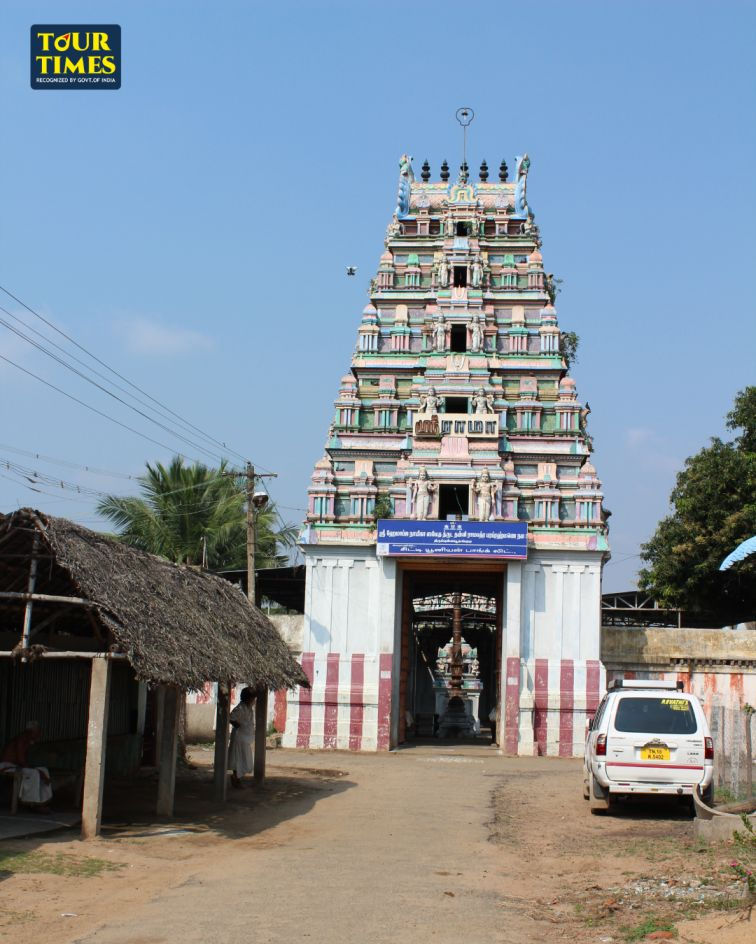
The history of Thirupullabhoothangudi Temple stretches back to the Chola period, when Tamil kings built temples not merely as structures but as centres of devotion and community life. Stone by stone, tradition settled here.
Unlike huge temple complexes filled with rush and noise, this shrine feels personal. Quiet even.
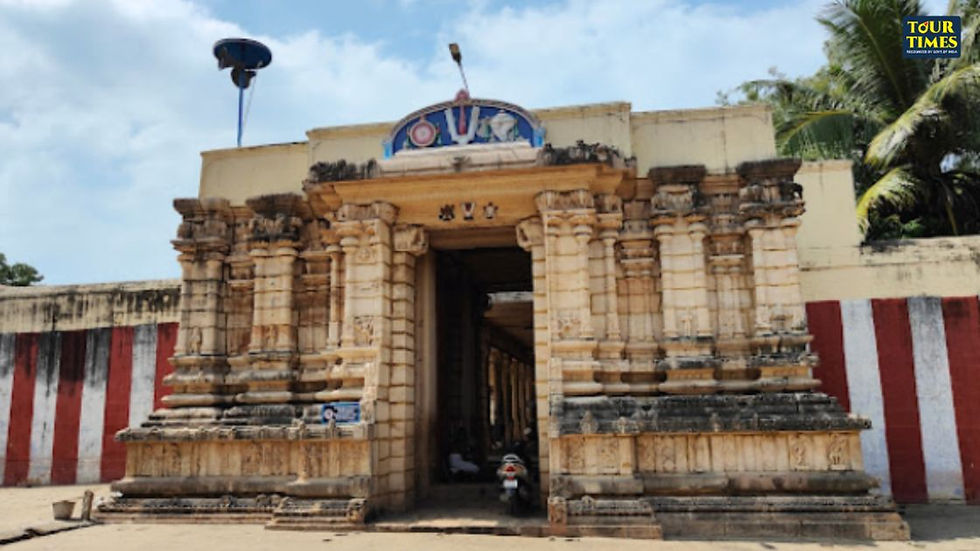
Located near Kumbakonam, the temple has remained an important spiritual centre for Sri Vaishnavites for centuries. The architecture carries familiar Dravidian beauty—ancient stone work, sacred corridors, and that unmistakable temple atmosphere which somehow slows people down.
You enter, and things change a little.
Maybe it is the silence. Maybe faith.
For pilgrims exploring the sacred Divya Desams, this temple often becomes a memorable stop because its history is not separated from legend. Everything is connected.
The Ramayana Story That Lives Here

Every ancient temple has a story. But the story of Thirupullabhoothangudi Temple feels especially emotional.
According to temple tradition, this place is linked to the Ramayana and the noble sacrifice of Jatayu.
When Ravana abducted Sita, the eagle king Jatayu fought to stop him. He knew the battle was unequal, yet he did not turn away. That part alone says something about devotion, no?
Jatayu was wounded badly and fell. Later, when Lord Rama searched for Sita, he found the dying bird who revealed what had happened.
And here comes the sacred connection.
It is believed that Lord Rama performed the final rites for Jatayu at Thirupullabhoothangudi Temple. Since Sita was absent during the ceremony, Bhudevi herself appeared to accompany Rama and complete the rituals.
That single legend gives this Divya Desam Temple immense spiritual importance.
Many devotees visit not only to worship but to remember this moment of compassion. A king grieving. A loyal devotee honoured. It feels very human and divine at the same time.
Lord Valvil Ramar – A Rare Divine Form
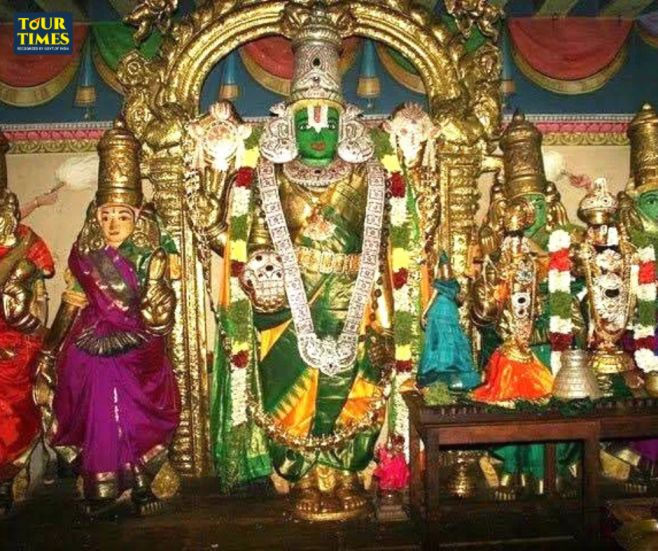
The presiding deity here is worshipped as Valvil Ramar, meaning Rama with the mighty bow.
But this is where things become fascinating.
In most Rama temples, devotees see Lord Rama standing with Sita and Lakshmana. Here, however, the deity appears in a rare Vishnu form associated with supreme divinity. It surprises first-time visitors. Some stand quietly for longer than expected.
This rare form is one reason why Thirupullabhoothangudi Temple holds such a respected place among the 108 Divya Desam Temples.
The temple was also praised by Thirumangai Azhwar, whose hymns continue to preserve the spiritual importance of this shrine. Ancient poetry still guiding modern pilgrims. Strange and beautiful, isn’t it.
More Than Architecture
Yes, the temple architecture matters.
The gopuram, the sacred surroundings, the traditional design—all of it reflects Tamil heritage and Chola influence. But reducing Thirupullabhoothangudi Temple to architecture alone feels incomplete.
Because temples are not museums.
Morning darshan here feels different. Priests chanting softly. Lamps flickering against stone walls. Devotees praying without hurry. The atmosphere carries a gentleness many people miss in larger pilgrimage centres.
Some travellers arrive expecting a quick visit. They stay longer.
That happens sometimes.
Why Pilgrims Choose Guided Temple Journeys
Travelling across multiple Divya Desams takes planning—routes, temple timings, accommodation, local guidance. It can be overwhelming for families and senior pilgrims.
This is why many devotees today prefer a Divya Desam Tour package.
A guided pilgrimage allows travellers to experience not just temples but the stories behind them. And stories matter. Without them, sacred places become only locations on a map.
For those wishing to explore Thirupullabhoothangudi Temple and other revered shrines comfortably, Tour Times offers carefully designed pilgrimage experiences. Known as a top tour operator in South India, Tour Times helps devotees experience sacred temples with organized travel, spiritual focus, and local expertise.
The journey becomes easier. More meaningful too.
Final Thoughts
The history of Thirupullabhoothangudi Temple is not simply about age or dynasty.
It is about remembrance.
A temple where the Ramayana still breathes through legend. A sacred Divya Desam Temple where Lord Rama honoured devotion itself. And a place that quietly reminds visitors that faith does not always live in grandeur. Sometimes it stays hidden, waiting.
If you are planning a pilgrimage, this timeless shrine deserves a place in your journey.
Because some temples are visited once. Places like Thirupullabhoothangudi Temple stays with you much longer.

Comments